News

News

How Can Sauna Therapy Improve Your Health and Well-Being?

2026-01-12 0 Leave me a message

Article Summary

Sauna therapy has been practiced for centuries as a natural way to improve health and promote relaxation. This article explores how sauna therapy works, the multiple benefits it provides, safety considerations, and practical tips for integrating sauna sessions into your wellness routine. Whether you are seeking stress relief, better circulation, or skin rejuvenation, sauna therapy can be a valuable addition to your lifestyle.

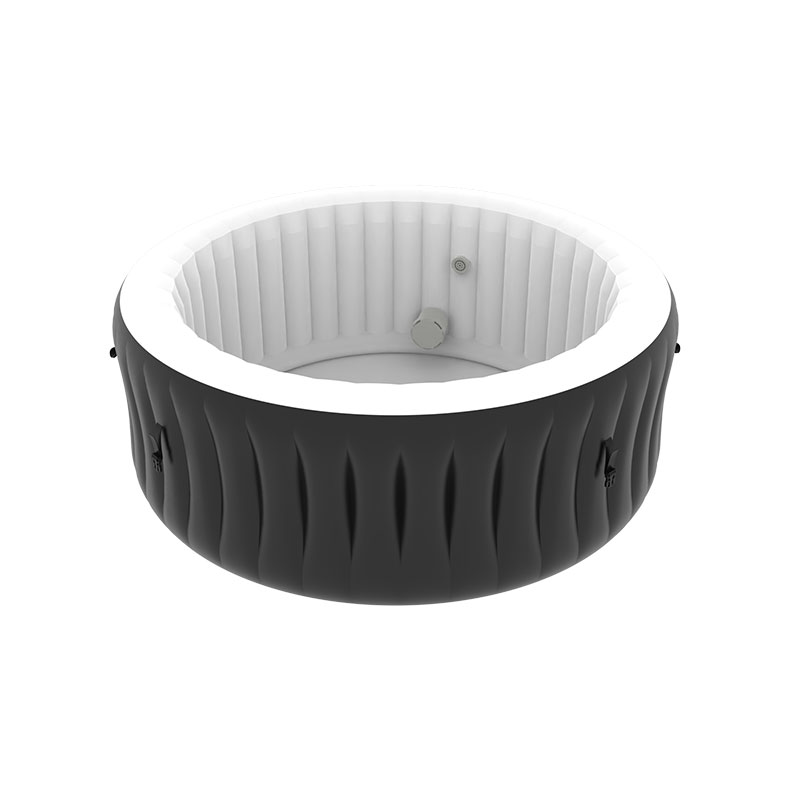
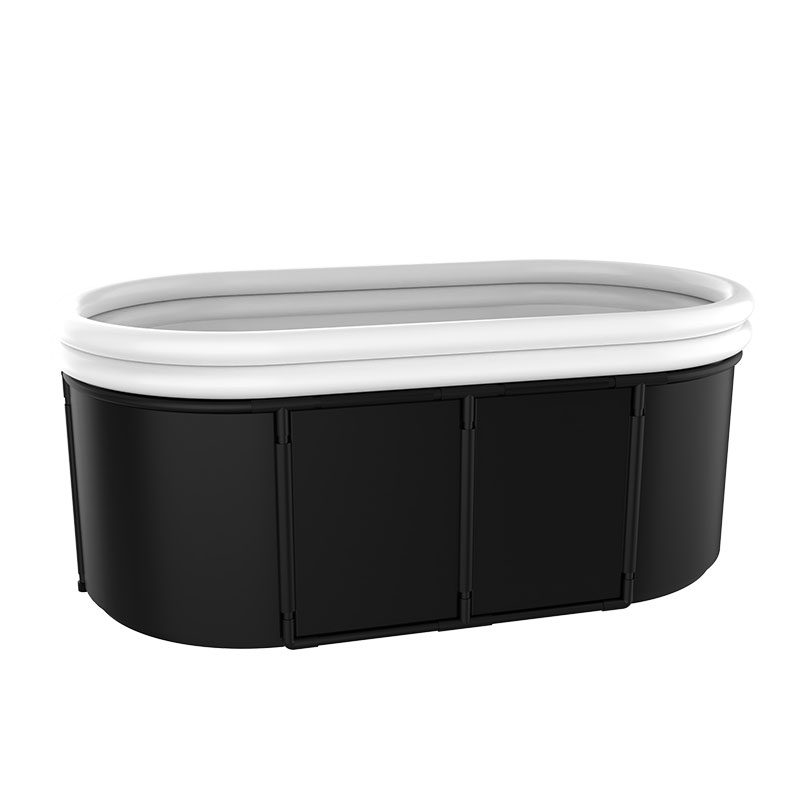
Portable Spa Pool Hot Tub Spa


Table of Contents

  1. Introduction to Sauna Therapy
  2. Health Benefits of Sauna Therapy
  3. Different Types of Saunas
  4. Practical Usage Tips
  5. Safety Considerations
  6. Frequently Asked Questions
  7. Conclusion and Contact

Introduction to Sauna Therapy

Sauna therapy involves exposing the body to controlled heat in a sauna room, leading to sweating, increased circulation, and relaxation. Historically rooted in Scandinavian culture, saunas are now widely used around the world as a wellness practice. Modern saunas offer advanced features such as digital temperature control, chromotherapy lighting, and infrared technology, making sessions more effective and enjoyable.

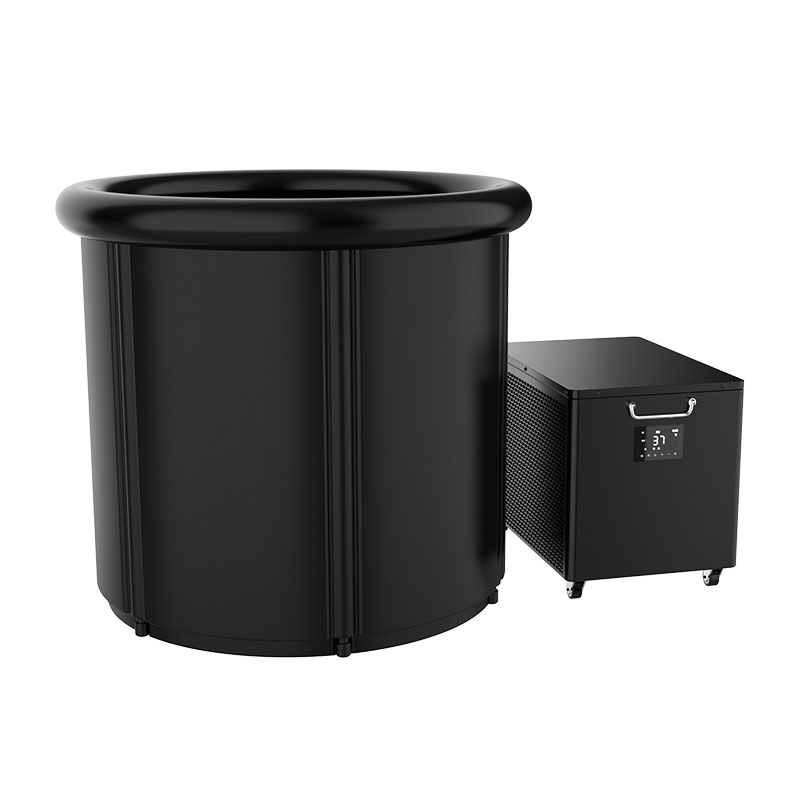
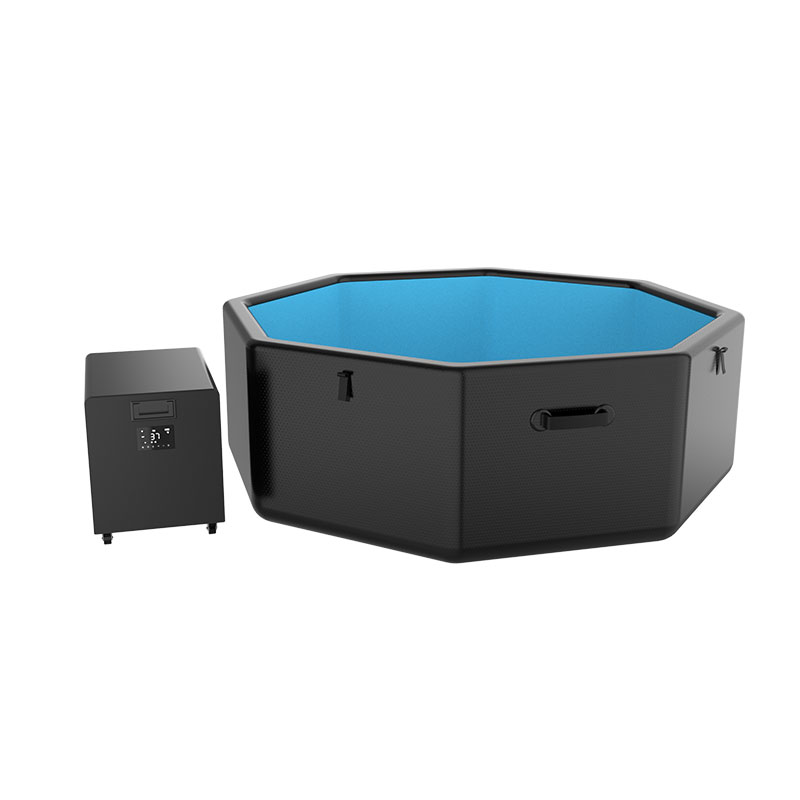
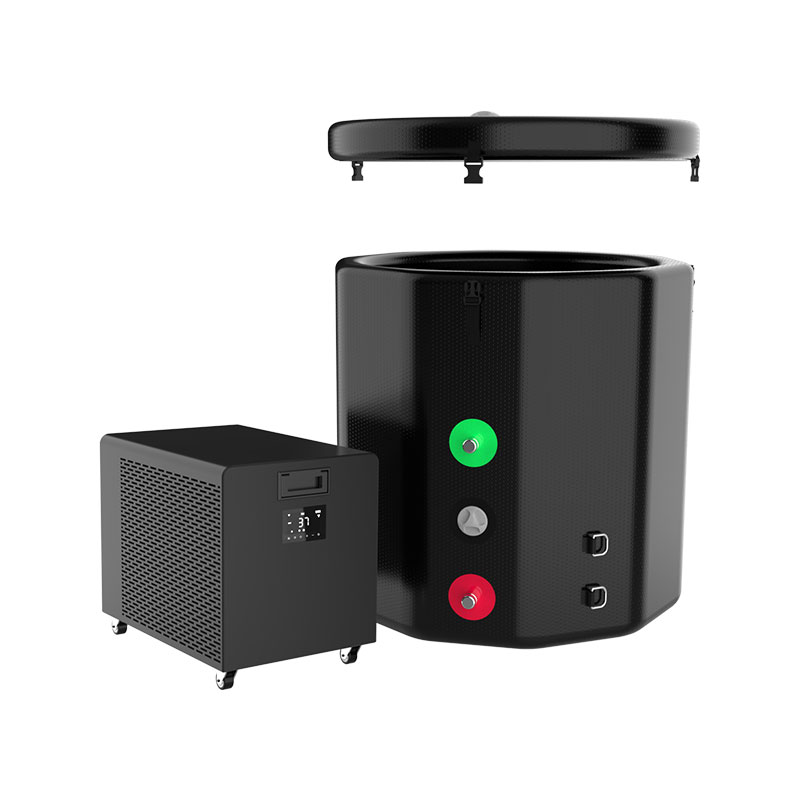
Hi-Q provides state-of-the-art spa tubs and sauna units designed to deliver a safe, comfortable, and luxurious experience, catering to both home and commercial wellness needs.


Health Benefits of Sauna Therapy

Sauna therapy provides a broad range of benefits, targeting both physical and mental well-being. Some of the most notable benefits include:

  • Stress Relief: Heat exposure relaxes muscles and reduces cortisol levels, helping the mind to unwind.
  • Improved Circulation: Sauna sessions increase heart rate and blood flow, supporting cardiovascular health.
  • Detoxification: Sweating helps remove toxins, heavy metals, and impurities from the body.
  • Skin Health: Improved circulation promotes a natural glow and aids in skin renewal.
  • Pain Relief: Heat therapy alleviates joint and muscle pain, benefiting conditions such as arthritis.
  • Immune Support: Regular sauna use may enhance white blood cell activity and reduce the risk of illness.

For a clearer overview, the following table summarizes the main benefits:

Benefit Effect
Stress Relief Reduces cortisol levels and promotes relaxation
Improved Circulation Enhances heart health and nutrient delivery
Detoxification Removes toxins and supports metabolic processes
Skin Health Stimulates regeneration and improves complexion
Pain Relief Relieves joint and muscle discomfort
Immune Support Boosts resistance to illness

Different Types of Saunas

Modern sauna therapy offers several options depending on temperature preference, humidity levels, and heat source. Key types include:

  • Traditional Finnish Sauna: Uses dry heat at high temperatures (70–100°C), often with steam added by pouring water on hot stones.
  • Infrared Sauna: Uses infrared light to heat the body directly at lower temperatures (40–60°C), offering a gentler experience.
  • Steam Sauna: Provides high humidity and moderate heat, ideal for respiratory benefits and skin hydration.
  • Portable Home Saunas: Compact units suitable for home use, including foldable infrared models or small steam tents.

Practical Usage Tips

Maximizing the benefits of sauna therapy requires understanding safe session duration, hydration, and post-sauna care. Consider the following tips:

  1. Start with 10–15 minutes per session for beginners and gradually increase to 20–30 minutes.
  2. Drink water before, during, and after the session to maintain proper hydration.
  3. Take a cool-down period after each session to help your body adjust to temperature changes.
  4. Use towels or mats to maintain hygiene and comfort inside the sauna.
  5. Limit sessions to 3–4 times per week for general wellness unless otherwise advised by a healthcare professional.

Safety Considerations

While sauna therapy is generally safe for most individuals, certain precautions are necessary:

  • Avoid alcohol consumption before or during sauna use.
  • Consult a doctor if pregnant, elderly, or having cardiovascular issues.
  • Monitor body response; dizziness, nausea, or discomfort indicate the session should be stopped immediately.
  • Children should use saunas only under adult supervision and for shorter durations.
  • Ensure proper ventilation to maintain oxygen levels and prevent overheating.

Frequently Asked Questions

Q1: How often should I use a sauna for optimal benefits?

A: Most people benefit from 2–4 sessions per week, each lasting 15–30 minutes. Beginners should start slowly and increase duration gradually.

Q2: How does sauna therapy help with stress?

A: Heat exposure relaxes muscles and encourages endorphin release, lowering stress hormone levels and promoting relaxation.

Q3: How can I incorporate sauna therapy into my daily routine?

A: Schedule sessions after workouts or before bedtime, ensure proper hydration, and combine with meditation or light stretching for maximum benefit.


Conclusion and Contact

Sauna therapy is a versatile and effective approach to improving physical health, mental well-being, and overall vitality. By selecting the right type of sauna, following proper usage guidelines, and maintaining safety practices, anyone can enjoy its multiple benefits. Hi-Q offers premium spa tubs and sauna solutions that bring professional-grade wellness experiences directly to your home or business.

Enhance your wellness routine today with Hi-Q sauna solutions. Contact us to explore our range of spa tubs and sauna units designed for comfort, health, and relaxation.
Related News
Leave me a message
X
We use cookies to offer you a better browsing experience, analyze site traffic and personalize content. By using this site, you agree to our use of cookies. Privacy Policy
Reject Accept