News

News

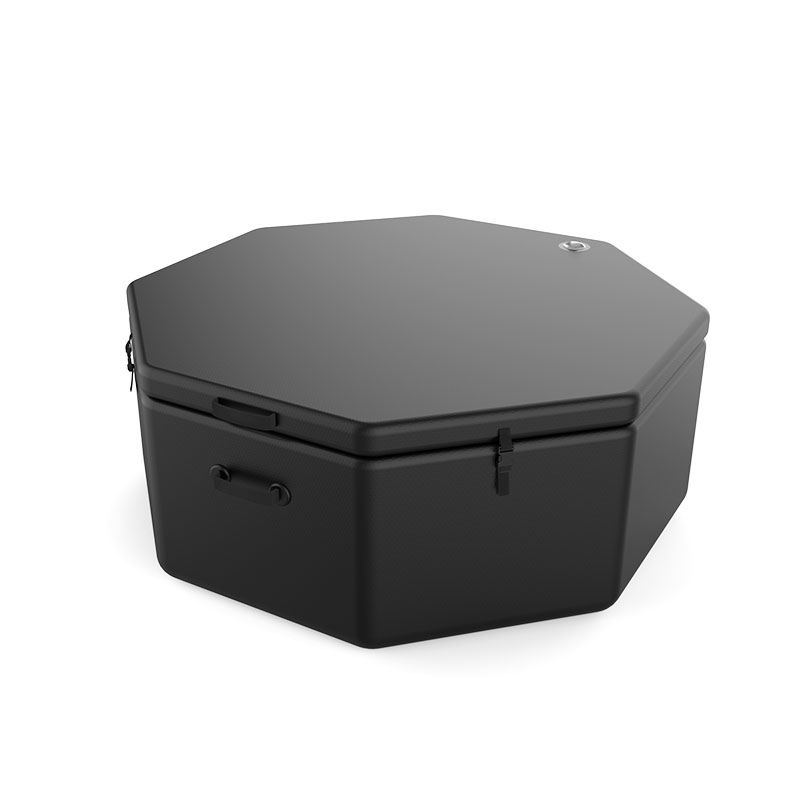
Why Is an Octagon Cold Plunge Pod Designed as an Octagon?

2026-08-13 0 Leave me a message
Why Is an Octagon Cold Plunge Pod Designed as an Octagon?

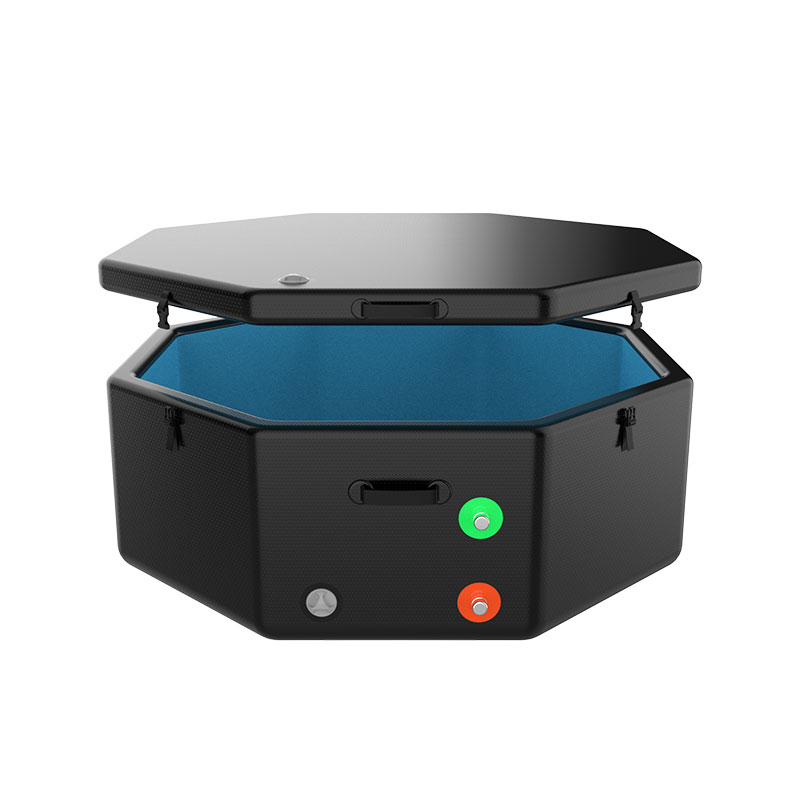
At first glance, an Octagon Cold Plunge Pod may look like a design choice made for appearance. But look a little closer and the shape starts to make more sense.

A cold plunge needs to hold a large amount of water, support the user's body, occupy a reasonable amount of floor space, and work with insulation, filtration and a chiller system. The shape of the pod affects how all of these elements come together.

So why choose eight sides instead of a simple rectangle or circle? The answer is not one single advantage. An octagonal design is a compromise between several different requirements: usable space, structural support, footprint, comfort and manufacturing.


1. Start With the Real Problem: You Are Building a Water Container

A cold plunge may look simple, but the walls are constantly dealing with water pressure. The deeper the water, the greater the hydrostatic pressure toward the bottom of the vessel. The structure therefore needs to resist outward forces while remaining stable when a person gets in and out.

How Different Shapes Handle Pressure

  • Circular tank — Its curved wall distributes internal pressure continuously around the circumference. This is why round shapes are common in many tanks and pressure-related applications.
  • Rectangular tank — Easier to fit into corners and often gives users more conventional bathing space, but its flat walls can require additional structural reinforcement because they must resist pressure without the benefit of a continuous curve.
  • Octagonal pod — Sits somewhere between the two. Instead of one large flat wall, it uses multiple shorter sides connected at angles.

That does not automatically make an octagonal pod stronger than a round one. Rather, the geometry provides a practical middle ground between a curved tank and a box-shaped tank.

2. Why Not Just Make It Round?

A round cold plunge is actually a very sensible design. It is structurally efficient, easy to manufacture in some production methods, and provides a consistent distance from the center to the wall.

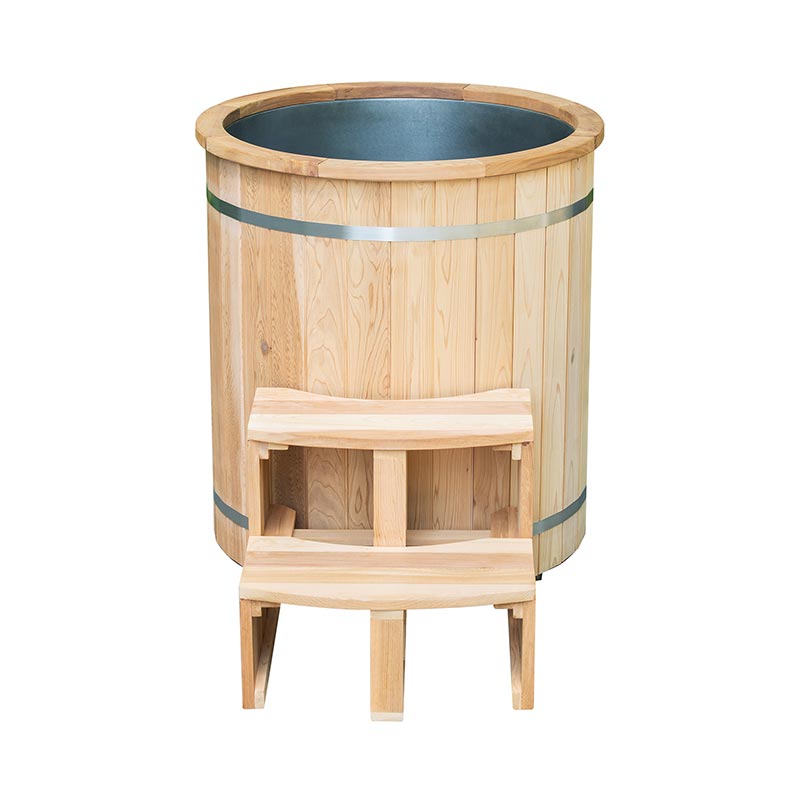
Vertical round plunge pods are also popular because they can provide full-body immersion while taking up relatively little floor space. Some manufacturers specifically position vertical plunge designs as a smaller-footprint alternative to traditional bathtub-style cold plunges.

The question is not "Is an octagon better than a circle?" — it is "What does the octagon allow the manufacturer to do differently?"

A perfectly round wall continuously curves away from the user. That is good for structural load distribution, but it is not always the most efficient shape for using the space around the pod. An octagonal shape introduces relatively straight sections while retaining much of the compact character of a rounded design.

That can make the product easier to position against a wall, in a corner, or alongside other equipment. For a home gym, garage, spa or commercial recovery area, those few centimeters of usable space can matter more than they appear to on a product drawing.

3. Octagon vs. Rectangle: The Difference Is More Than Appearance

A traditional rectangular cold plunge looks familiar because it follows the basic shape of a bathtub. It works well when the user wants to sit or recline. But a cold plunge is not necessarily designed for lounging.

The user normally enters the water for a relatively short immersion session, often with the body positioned more upright than in a conventional bathtub. That changes the design priorities.

Three Approaches to Internal Volume

  • A bathtub uses length.
  • A vertical pod uses height.
  • An octagonal pod uses height and radial space.

A vertical or semi-vertical plunge can use height instead of excessive length, reducing the floor area required for full-body immersion. An octagonal pod can extend this idea — instead of creating a long rectangular tank, the designer can create a relatively compact footprint while providing usable internal volume around the body. That is one reason the shape makes sense for smaller home environments.

4. Eight Sides Create a Useful Middle Ground

Think about three basic shapes: Circle → Rectangle → Octagon

  • A circle has no corners and provides continuous curvature.
  • A rectangle has four long flat sides and four sharp corners.
  • An octagon has eight sides and eight corners, creating a shape that visually and functionally sits between the two.

The sides are short enough that the overall shape still feels rounded, but straight enough to make the external footprint easier to organize.

Where the Extra Surfaces Help

This can be useful when designing:

  • Entry and exit areas
  • Chiller connections
  • Drainage points
  • Filtration connections
  • Insulated walls
  • External steps
  • Covers
  • Supporting frames

The octagon does not magically improve every one of these components. Instead, it gives designers more surfaces and angles to work with. That flexibility can be valuable when many components need to fit into a relatively compact product.

5. The Eight Corners Are Not Just Decorative

One common misunderstanding is that the corners of an octagonal pod are simply there to make the product look different. In a well-engineered product, geometry is part of the structural system.

Each side of the pod interacts with the adjacent side. Depending on the material and construction method, these angled transitions can help create a more rigid overall shell than a simple large flat panel.

Construction Matters More Than Outline

The exact structural performance depends heavily on construction. For example:

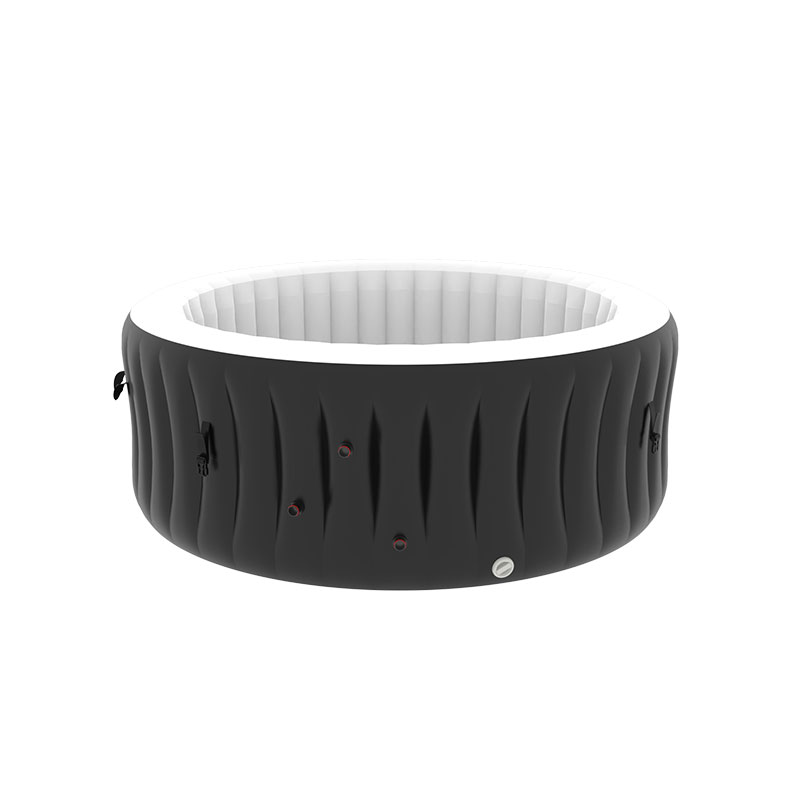
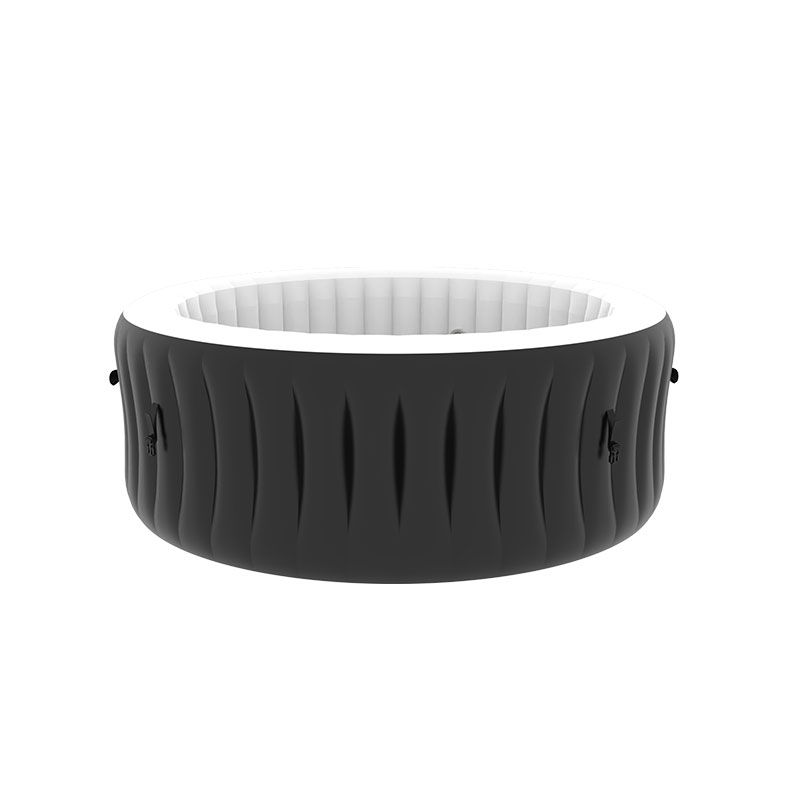
  • An inflatable octagonal pod may use reinforced multi-layer materials and internal drop-stitch structures.
  • A rigid pod may rely on a molded shell or composite construction.

These products should not be assumed to have identical structural behavior simply because they share an octagonal outline. Shape is only one part of structural performance — material, wall thickness, reinforcement, seams, molding process and internal support are equally important.

6. Does an Octagonal Shape Make the Water Colder?

This is where product marketing can sometimes go too far. The shape alone does not make water colder.

If two cold plunge systems have the same water volume, insulation, ambient conditions and chiller capacity, changing a round tank into an octagonal tank does not automatically make the water colder.

What Actually Drives Temperature Performance

  • Chiller capacity
  • Water volume
  • Insulation
  • Ambient temperature
  • Lid design
  • Water circulation
  • Heat transfer through the walls
  • Frequency of use

Insulation is particularly important because a cold plunge is constantly receiving heat from its surroundings. Cold-plunge design guides commonly identify insulation and heat control as major factors in maintaining water temperature.

Better statement: An octagonal design can be part of an efficient overall system, but the cooling performance comes from the entire thermal and chiller design.

7. What About Water Circulation?

The geometry also influences how the water volume is arranged around the user. A good cold plunge system should not simply contain cold water — it also needs to move and filter that water effectively.

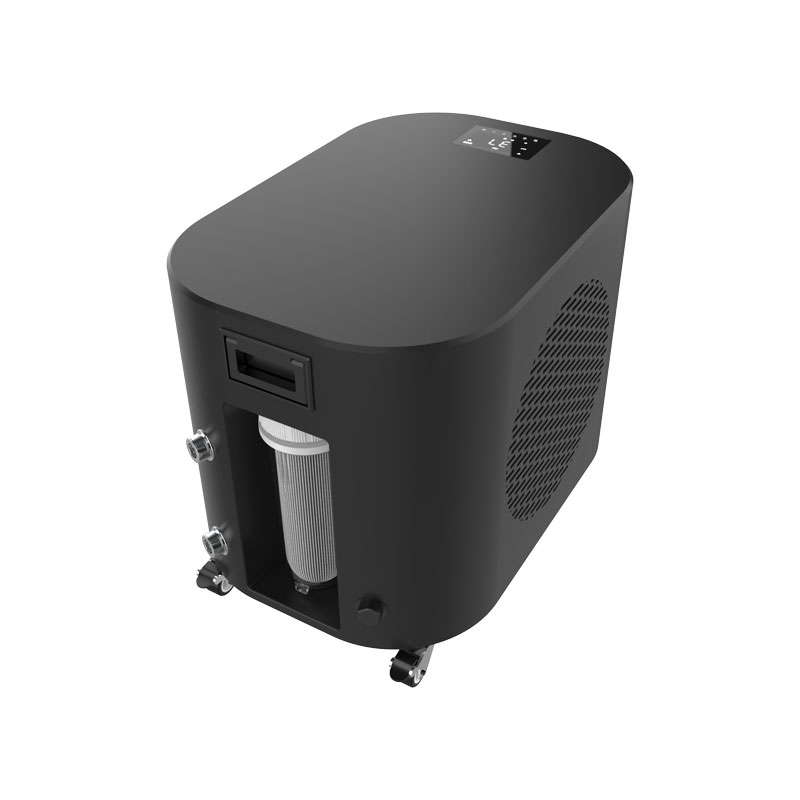
The circulation system normally works through dedicated inlet and outlet connections, with water passing through filtration and, where applicable, a chiller before returning to the pod. The exact circulation pattern depends on the location and design of these ports.

Therefore, it would be misleading to say that an octagonal tank automatically provides better circulation than a round or rectangular tank. The shape gives the designer a physical space in which to arrange the circulation system — the actual performance depends on how that system is engineered.

For buyers comparing products, the location of water ports, filter system, chiller compatibility and ease of maintenance are more useful questions than simply asking whether the tub is round or octagonal.

8. Why the Shape Can Feel More Spacious Than Its Footprint Suggests

There is another advantage that becomes obvious when you actually sit inside a pod. A cold plunge is not normally used like a swimming pool — you do not need a large open area for walking around.

You need enough room for the body to enter the water, maintain a comfortable position and achieve the desired level of immersion. This means that the most efficient shape is not necessarily the one with the largest floor area.

An octagonal design can provide usable space around the shoulders, torso and legs while keeping the external footprint relatively compact. For people setting up a cold plunge in a garage, home gym, balcony, backyard or wellness room, this can be a practical advantage.

9. Octagonal vs. Round vs. Rectangular Cold Plunge

The easiest way to understand the difference is to stop asking which shape is "best." Each shape solves a slightly different problem.

Design Main Characteristic Space Efficiency Typical User Position Design Consideration
Round Continuous curved wall High Upright Compact and structurally efficient
Octagonal Eight-sided hybrid geometry High Upright / semi-upright Balance of space, structure and appearance
Rectangular Long flat walls Medium Seated / reclined More bathtub-like internal space
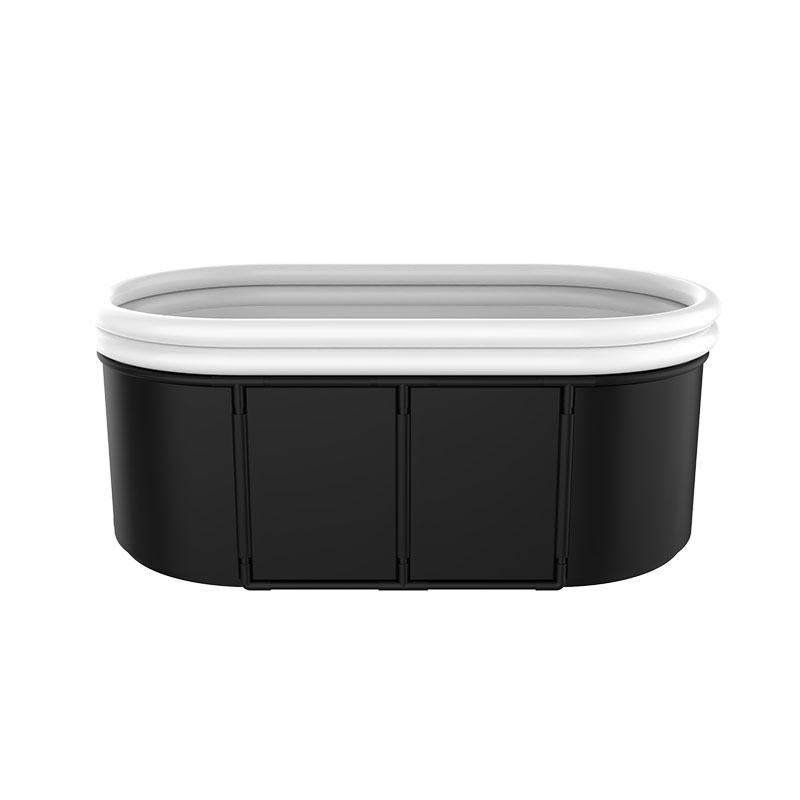
Oval Elongated curved shape Medium–High Seated / semi-reclined Combines length with curved ends

There is no universal winner. A tall user may prefer a longer internal space; someone with limited floor space may prioritize a compact vertical pod; a spa may care more about appearance and customer comfort; a manufacturer may prioritize production methods, material efficiency and component placement. The right shape depends on the intended use.

10. Why Octagonal Designs Are Appearing in the Cold Plunge Market

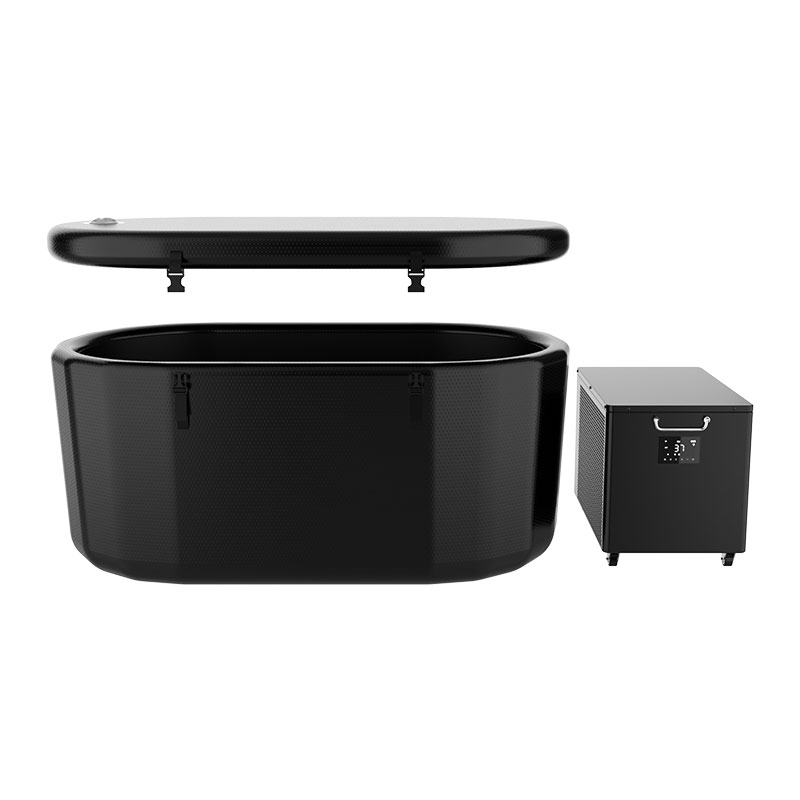
Cold plunges have moved beyond the traditional image of an improvised ice-filled container. Today's products increasingly combine the tub with dedicated chillers, filtration, insulation and temperature-control systems.

That has created a new design problem: the manufacturer is no longer simply making a container for ice water — the product has to work as a complete system. It needs space for plumbing connections, filtration, drainage, insulation and sometimes electronic controls. It also needs to look acceptable in a home, gym, hotel or wellness environment.

This is where unusual geometries such as the octagon become interesting. The shape can become part of the product architecture rather than simply a styling decision.

11. The Real Advantage: Balance

The most accurate way to describe an Octagon Cold Plunge Pod is not "the octagon is stronger than every other shape," nor "the octagon cools water faster."

The more useful explanation: An octagonal design is a compromise between the structural behavior of rounded forms, the space efficiency of vertical pods, and the practical usability of straighter surfaces.

That balance can be valuable. A designer can work with eight relatively short sides instead of one large flat wall. The user gets a compact enclosure with enough internal space for immersion. The manufacturer gets more flexibility when arranging components around the shell. And the owner gets a product that can occupy less visual and physical space than a conventional bathtub-style plunge.

12. What Should You Check Before Buying an Octagonal Cold Plunge?

The shape should not be the first thing you check. If you are comparing cold plunge products, look at the complete system.

Water Capacity

A larger water volume usually means the chiller has more water to cool. Do not compare two products only by external dimensions — check their actual recommended water capacity.

Insulation

Good insulation helps reduce heat entering the water from the surrounding environment. This becomes especially important when the plunge is used outdoors or in a warm garage.

Chiller Compatibility

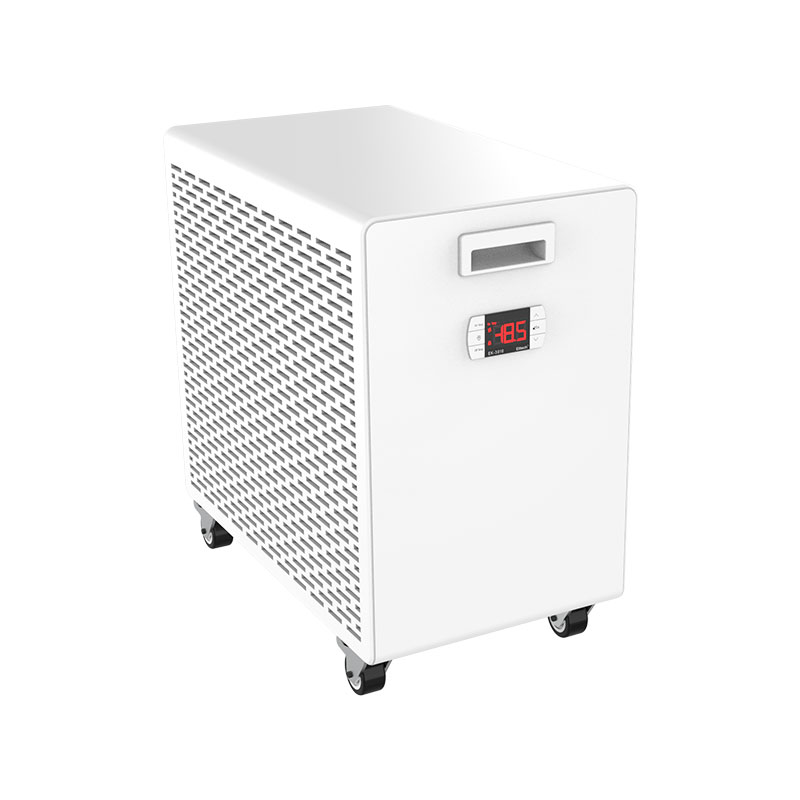
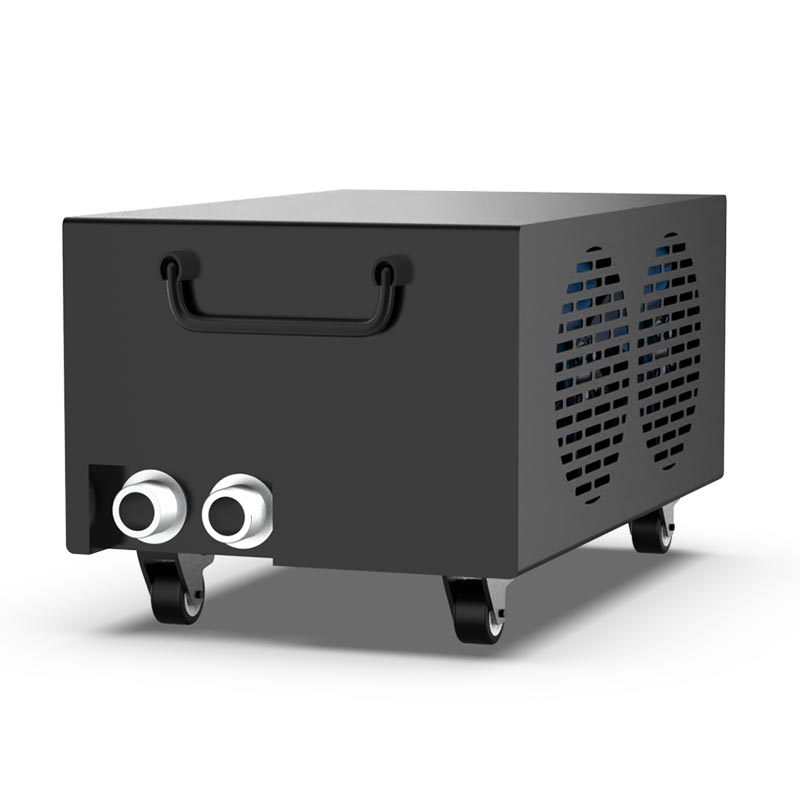
Check whether the pod is designed for an external chiller and what type of water connections it uses. Some products are specifically designed around dedicated chiller systems.

Filtration and Water Maintenance

Cold water still needs to be maintained. Look at the filtration system, filter accessibility, drainage arrangement and cleaning requirements. A beautiful pod that is difficult to clean can quickly become frustrating to use.

Internal Dimensions

This is often more important than the external appearance. If you are tall, check the actual internal depth, width and available legroom.

Installation Location

Measure the entire installation area, including the space required for the chiller, hoses, electrical connection and maintenance access. A compact pod does not necessarily mean a compact complete installation.

13. The Shape Is Only the Beginning

An Octagon Cold Plunge Pod is interesting precisely because it demonstrates how product design often works. There is rarely one perfect shape.

A designer has to balance competing requirements:

  • Strength vs. weight
  • Capacity vs. footprint
  • Comfort vs. compactness
  • Appearance vs. manufacturing
  • Insulation vs. cost
  • Accessibility vs. component placement

The octagon is one answer to that balancing act. It does not replace the advantages of round or rectangular designs — instead, it creates another option for people who want a compact, upright cold plunge without making the product look like a simple tank.

The eight sides are not the purpose. They are the result of trying to make several requirements work together.
Related News
Leave me a message
X
We use cookies to offer you a better browsing experience, analyze site traffic and personalize content. By using this site, you agree to our use of cookies.Privacy Policy
RejectAccept